



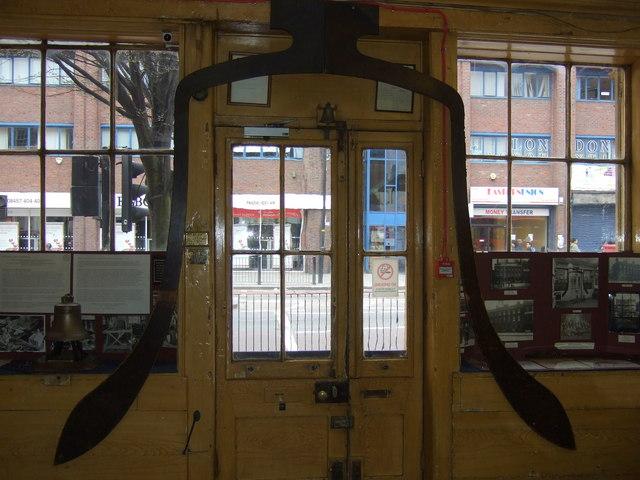
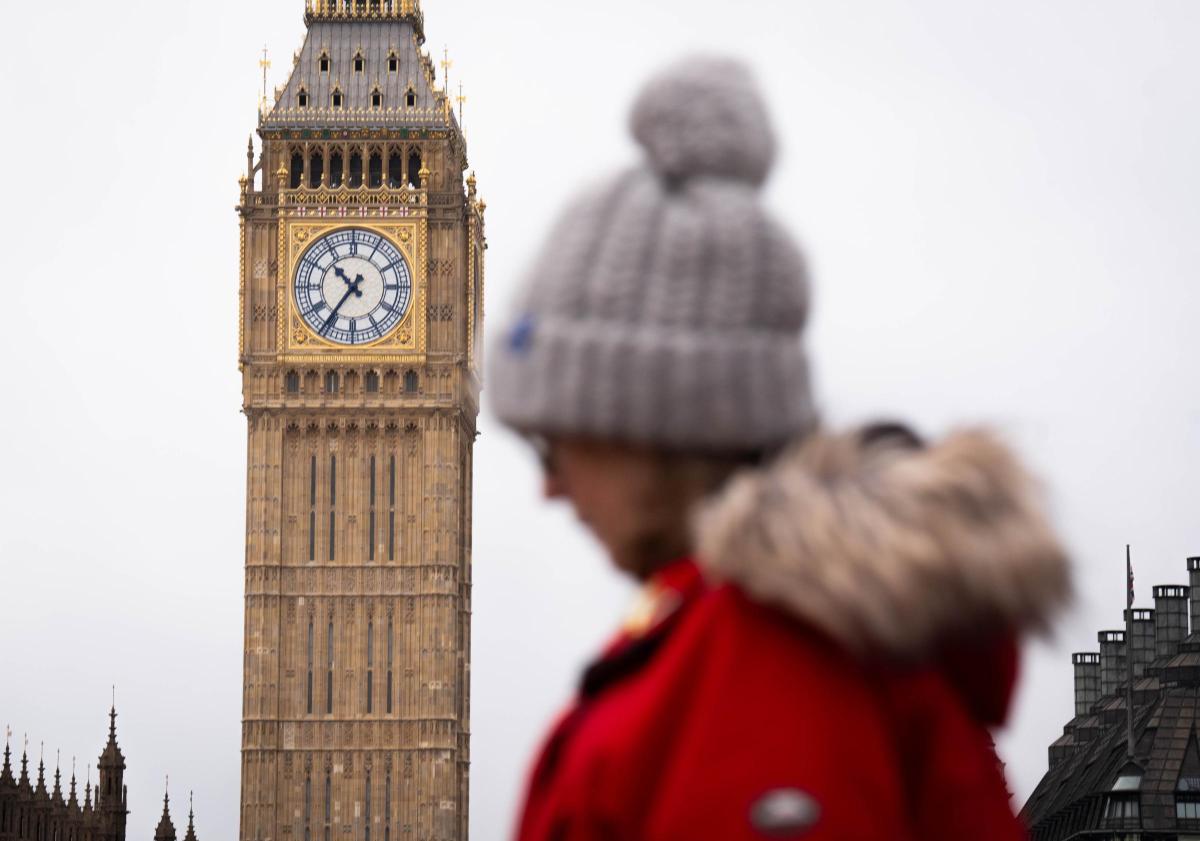

It's is perhaps ironic that the two most famous bells cast by the Whitechapel Foundry are both cracked.
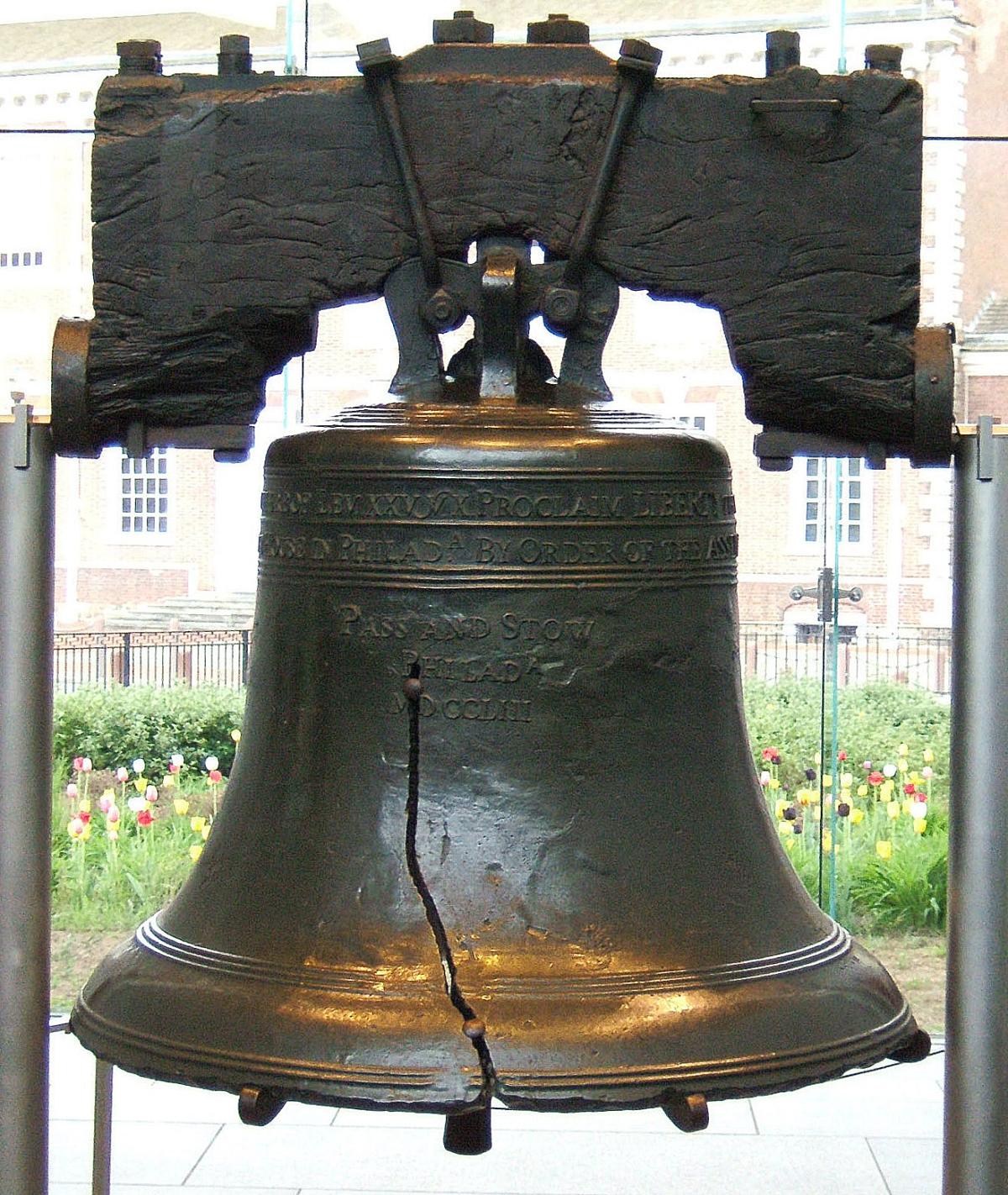
The iconic Liberty Bell in Philadelphia is visited by millions each year as a symbol of American independence, but cracked on its first test and no longer rings.
And the chimes of Big Ben - the most famous clock in the world - owe their distinctive tone to a significant crack in the side of the bell.

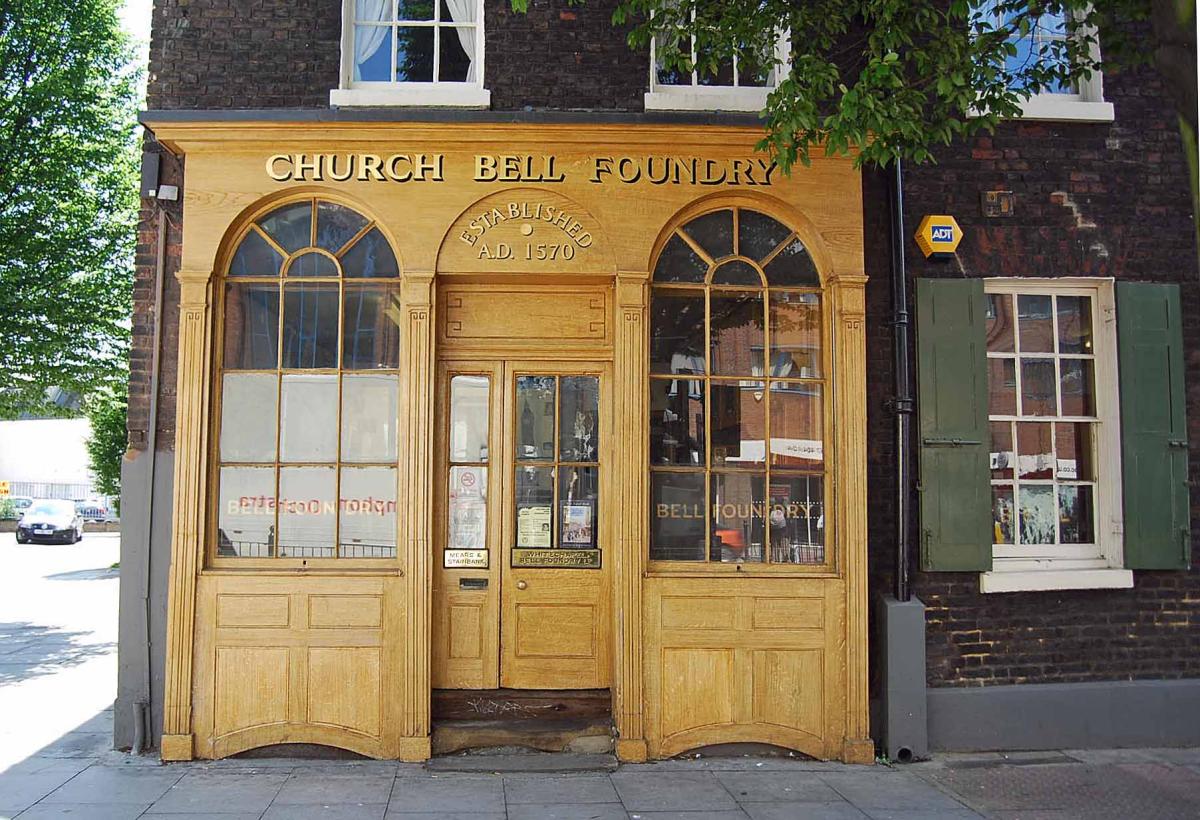
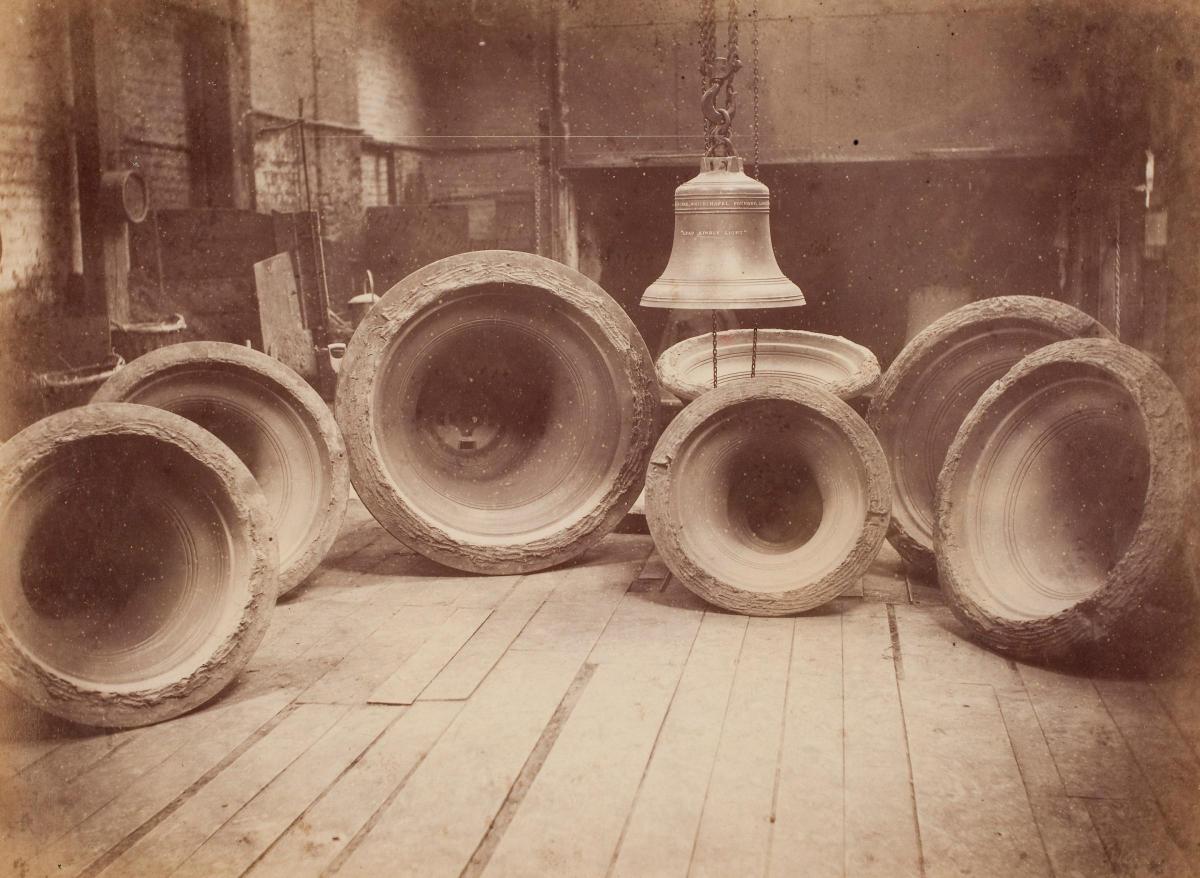
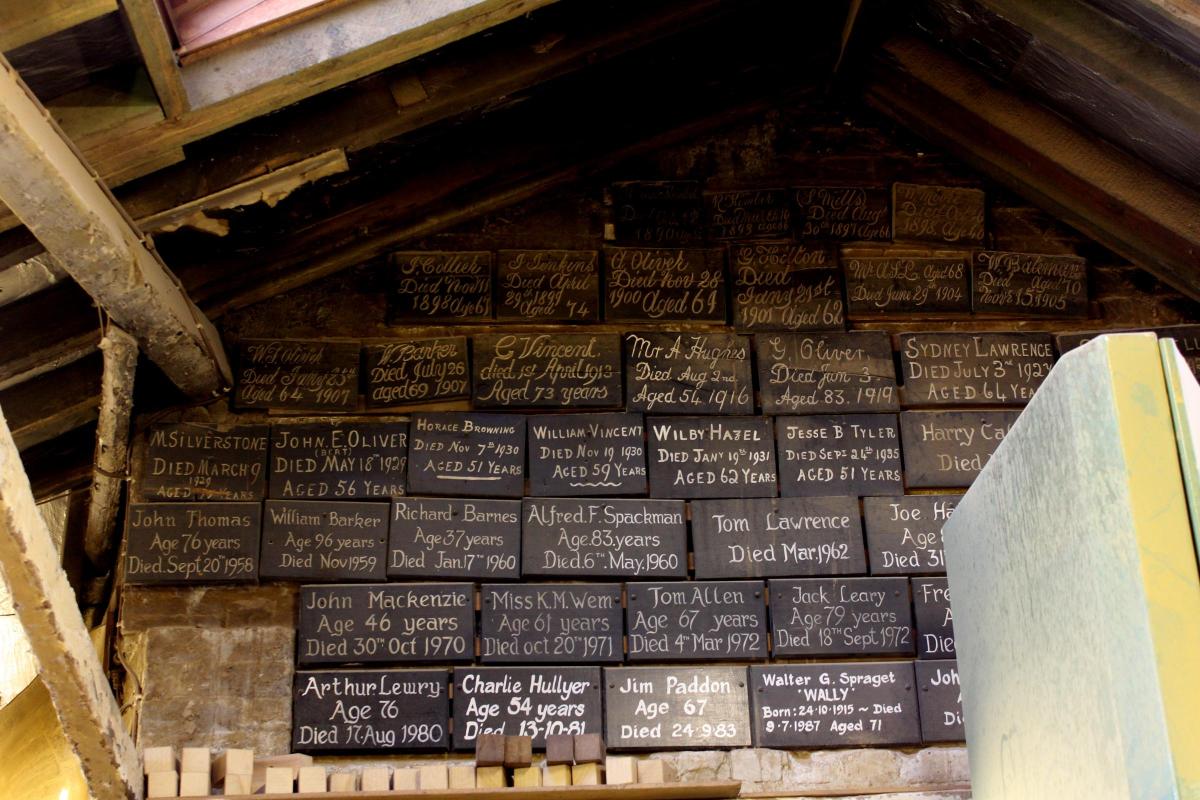
But for almost 450 years this East End foundry was a hive of industry, turning out thousands of bells which are still ringing out around the world in churches and public buildings.
What was Britain's oldest manufacturing company closed down in June 2017, and the future of the Grade II* listed building remains uncertain.
The firm traces its origins back to 1570 to Essex Court in the City of London where in 1716 master founder Richard Phelps cast the clock bell of St Paul's Cathedral known as Great Tom.

But by the time of its closure the foundry had operated from the site in Whitechapel Road for 250 years.
The building was originally a coaching inn called The Artichoke which had been damaged in the Great Fire of London and then closed in 1738.
The foundry moved in and in 1751, an order was placed for a bell to hang at the Pennsylvania State House in Philadelphia.
The bell was shipped it to the United States in 1752 but is thought to have been damaged on the voyage and it cracked.

Craftsmen melted it down twice and recast it and it hung in the steeple of the Pennsylvania State House where the country's founding father's drew up the Declaration of Independence in 1776.
Later anti-slavery groups adopted the wording on the bell as a symbol for the abolitionist movement.
The inscription Leviticus 25:10 'proclaim LIBERTY throughout all the Land unto all the inhabitants thereof' inspired both suffragists and civil rights campaigners.
But a huge and fatal crack opened up in the bell in 1846 while it was rung for George Washington's birthday.

Whitechapel’s other major commission was the Great Bell of Westminster, known as Big Ben, which was cast at the foundry on April 10, 1858.
An earlier bell had been made in Stockton-on-Tees in 1856 and was taken to London before the clock tower was complete. Workers placed it on a temporary gantry in New Palace Yard for testing, but the hammer was too heavy and caused a huge crack.

The damaged bell was broken up and sent to Whitechapel where it was melted down for the replacement bell, which weighs 13.5 tonnes.
Crowds watched and cheered as the bell was carried from Whitechapel across London Bridge on a carriage pulled by 16 decorated white horses.
The second bell also cracked two months after it began ringing, but in 1859 engineers moved it a quarter-turn so the hammer struck a different area and cut a small square notch around the crack to stop it spreading - giving Big Ben its flat tone.
Over the centuries the foundry cast bells destined for Australia, Canada and India - it was particularly busy after the Second World War, replacing bells lost to Nazi bombs.
But demand for large church bells declined and after the closure, production rights were transferred to other firms.
There were controversial plans to turn the foundry into a boutique hotel.
Although they were approved, the hotel scheme stalled.


Share