





A village in Havering got its unusual name from both a Saxon settlement and a long vanished royal residence.
Havering-atte-Bower is located close to several former palaces and large houses over the centuries including Havering Palace - which has links to Henry VIII and three of his queens.
The village appears in the Domesday Book which was drawn up in 1086 by William the Conqueror as a survey of England and Wales.

It was listed as Haueringas, an ancient folk name meaning the settlement of the followers of a man called Hæfer. In Anglo-Norman spelling, v was written as u, which helps explain the name change over time.
Situated on high ground with views towards London it was the site of a hunting lodge used by King Edward the Confessor - with one legend linking the name Havering to a story about a ring being returned to the king - 'have ring'.

Upon his death in 1066 it passed to his nominated heir Harold Godwinson and after he was defeated at the Battle of Hastings William the Conqueror chose to keep the manor for himself.

Bower could also mean a queen’s private room or bedroom which fits the period of the late 13th century when the great house here was known as "The Bower".
The Royal Palace of Havering was later visited by several monarchs including Henry II who went there at least 20 times between 1222 and 1272.
Edward III and Richard II also came and Henry VIII is reported to have hunted and entertained French hostages at Havering.

He also bestowed the palace on his first three wives while they were queens: Catherine of Aragon, Anne Boleyn and Jane Seymour.
Henry bought another palace, east of the village, called Pyrgo to relieve the now ageing Havering Palace but by the 17th century, the Royal Palace of Havering was in decline.
Charles I was the last monarch to rest at Havering, in 1638. It was abandoned during the Civil War and fell into ruin. By 1816, no trace of the palace remained.
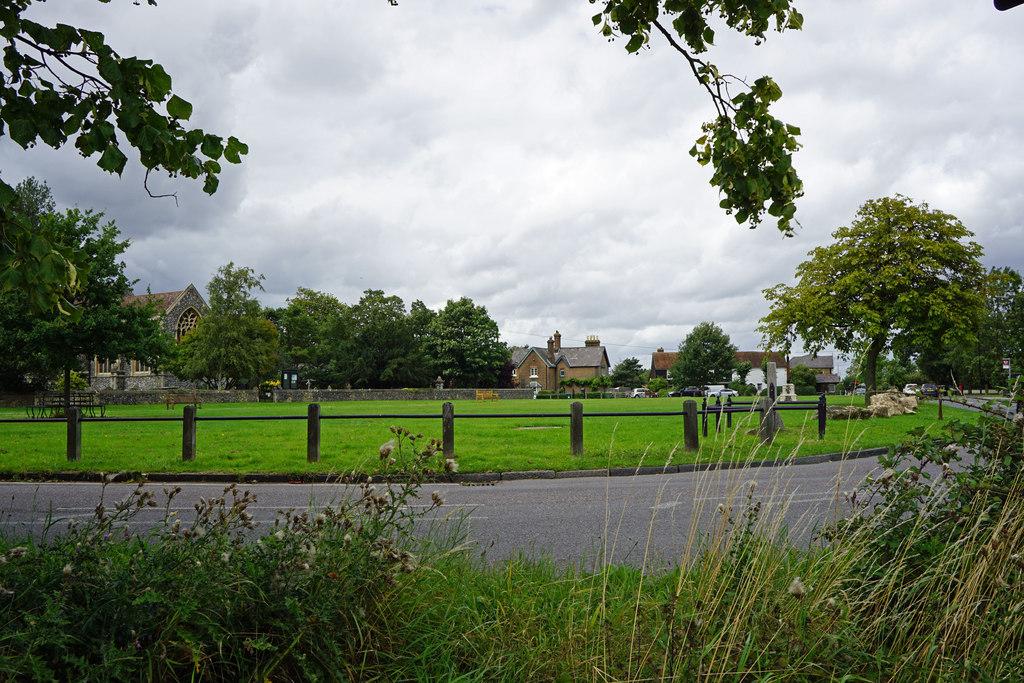
Today, Havering-atte-Bower remains a quiet conservation village surrounded by three parks with a village green pond and the original stocks.
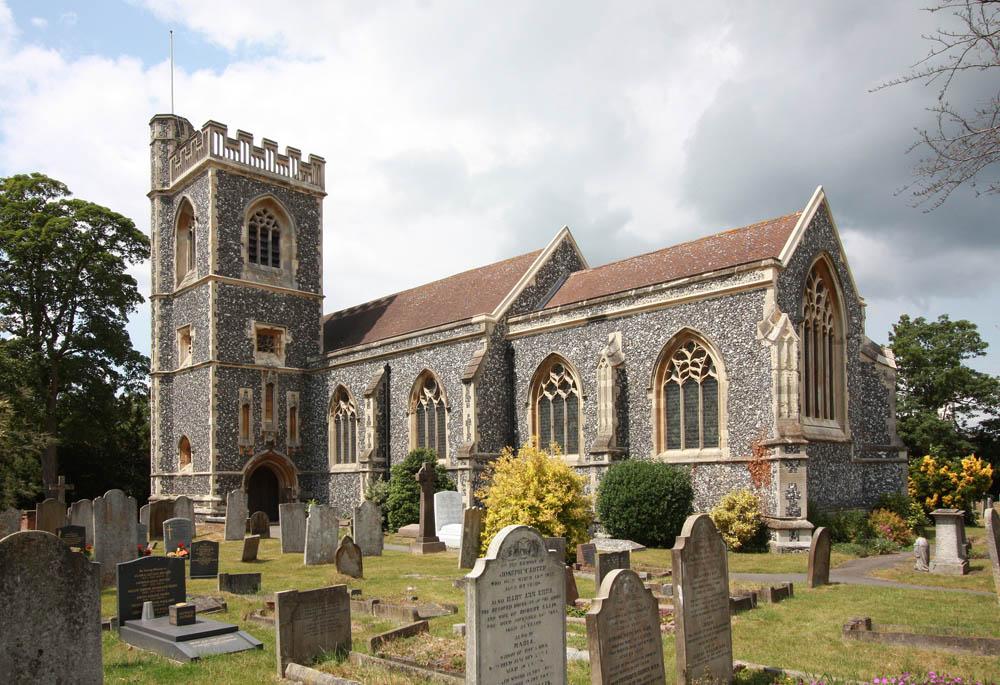
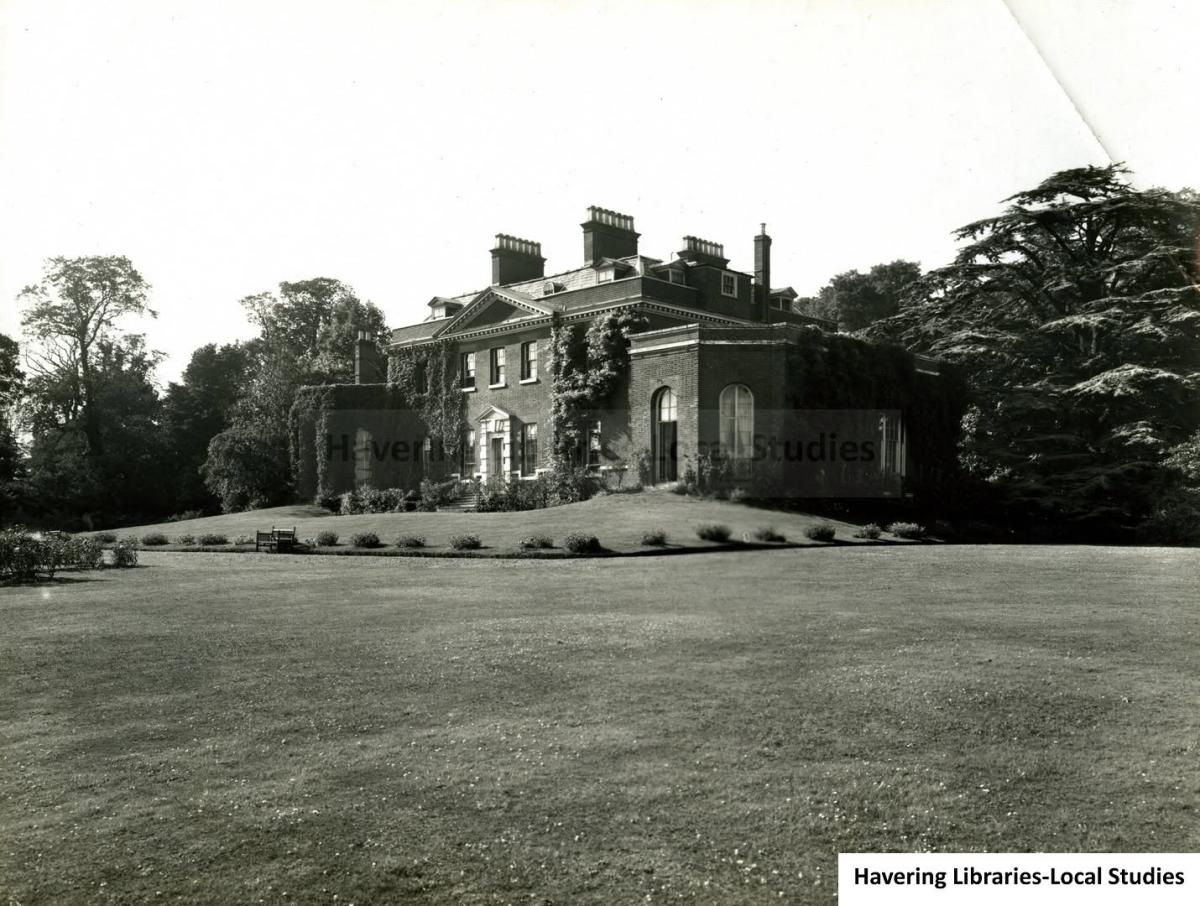
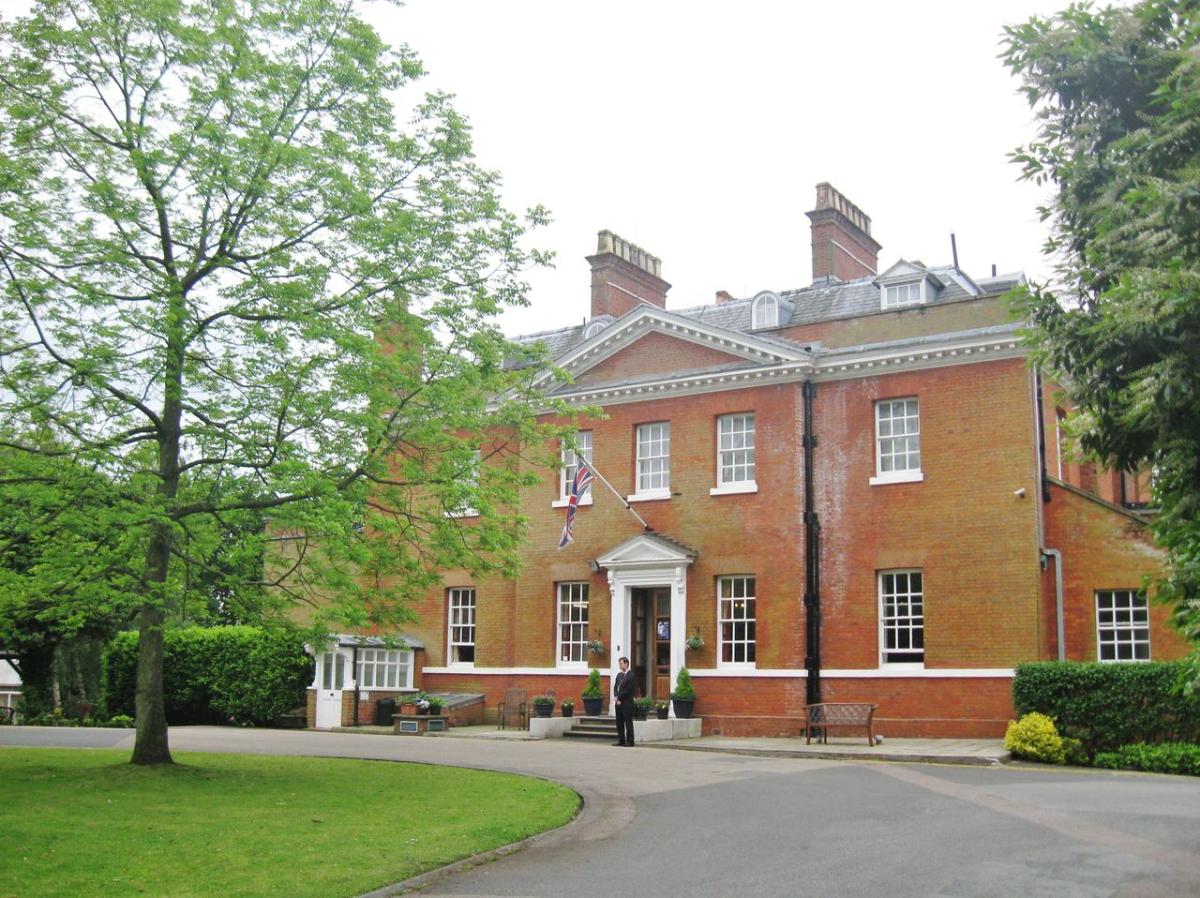
St John’s Church is also a landmark - as is the nearby Bower House a 1729 mansion built with materials from Havering Palace.


Share