



I visited Hornchurch Country Park after weeks of heatwaves and several wildfires caused destruction across the land.
Hornchurch Country Park is one of several areas of grassland across Havering that has been subject to wildfires in recent weeks.
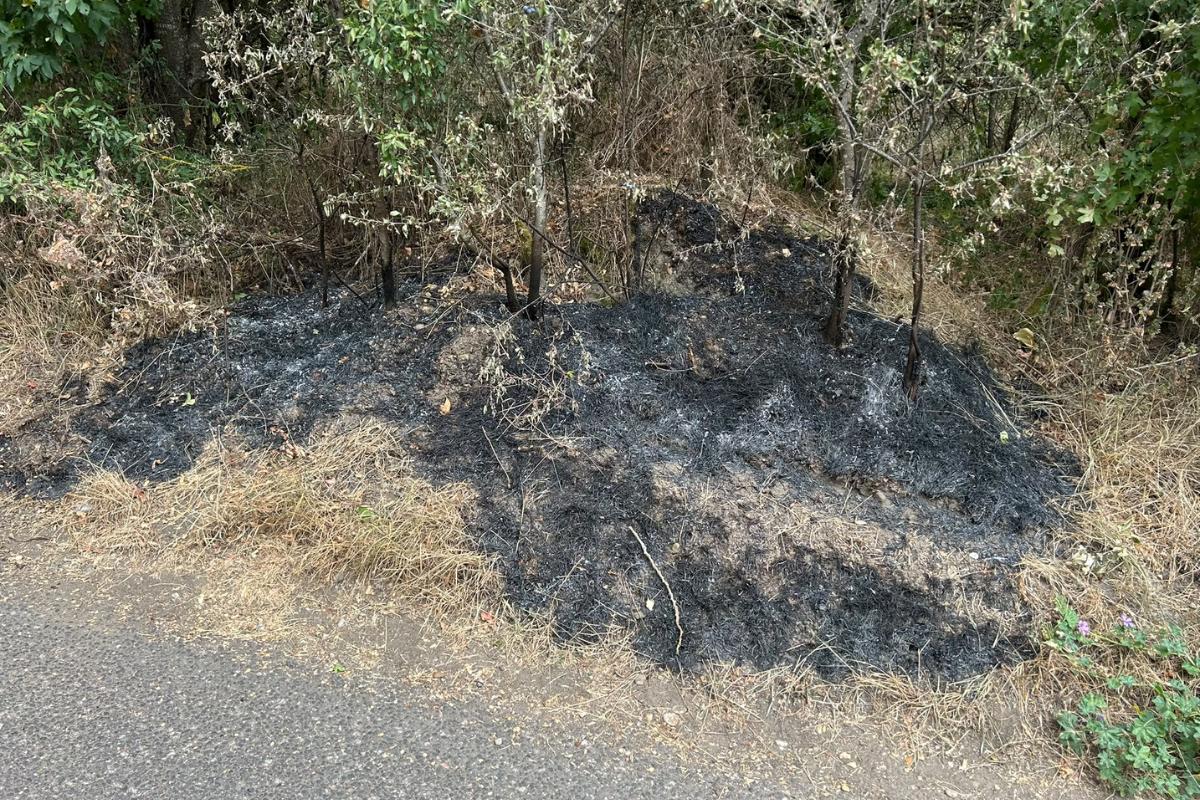
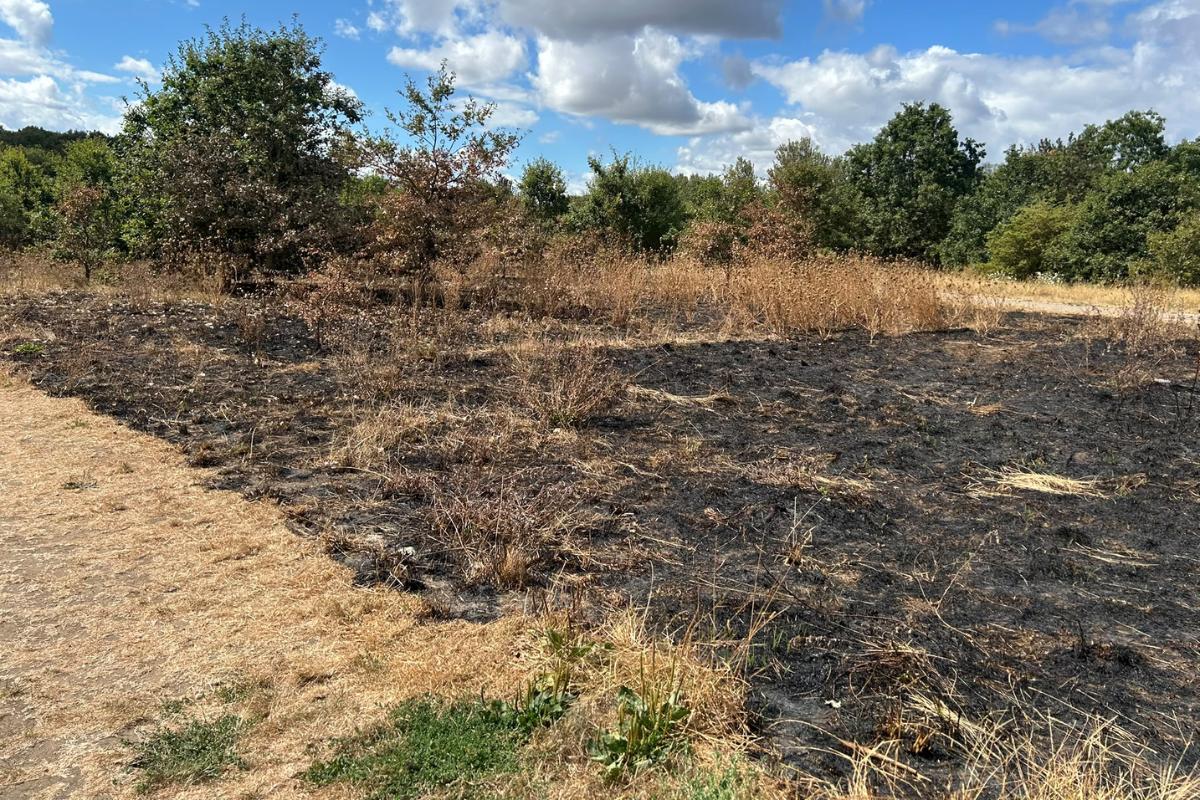
Multiple hectares of land have been burnt by blazes and the evidence remains in the form of sporadically located black patches in the park.
On July 26, a fire was reported in the park near Berwick Pond Road.

The London Fire Brigade (LFB) received the first of 18 calls shortly before 4pm on the day and six fire engines and around 40 firefighters worked to put the blaze out.
It was brought under control by 6.30pm.
On July 30, another fire was tackled by eight fire engines and around 60 firefighters near South End Road.
It was first reported around 1.20pm and at the height of the fire around six hectares was alight, according to the LFB.
The Brigade's Drone Team was also deployed to the scene, providing the Incident Commander with an aerial view of the fire and the blaze was brought under control by 3.22pm.
I entered Hornchurch Country Park via Suttons Lane and began my walk past the visitor centre.
I was soon taken aback by the dry, and rather sad colour of the ground all around which hadn't seen water in weeks.
READ MORE: I've lost a hell of a lot' - fire DESTROYS Harold Hill garden and damages home
If the ground wasn't dull, yellow and arid, it was black and singed - a shocking result of recent fires.
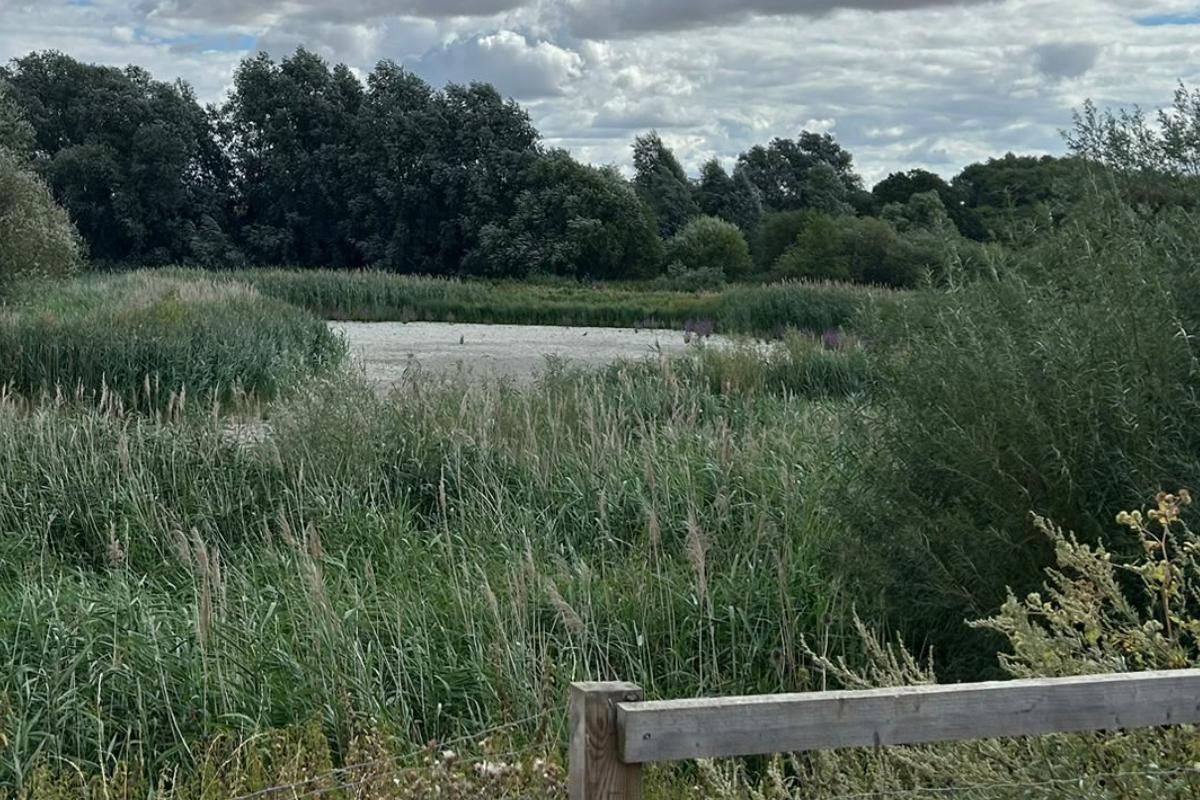
I walked past the visitor centre and towards the benches looking over Ingrebourne Marshes - usually filled with water and aquatic plants and home to ducks and other wildlife.

However, the marshland I could see had dried up and besides the hum of crickets, barely any wildlife could be spotted from here.
This was a huge contrast to the last time I visited the park in late April.
As I continued my walk towards the fishing lake, the frequency of the blackened patches of earth increased.
Whilst it made sense for wildfires to leave behind tell-tale signs of their presence, it didn't take away from the shock I felt at the level of destruction I was seeing.
I was pleased to see that the stream running under a green metal bridge was still flowing - albeit at a reduced water level.
This was also the case for the fishing lake which still appeared to be home to birds and geese but the water level sat noticeably lower than I had seen it before.
READ MORE: Man's 'sheer panic' after 'shed exploded into flames' as wildfires raged in Romford
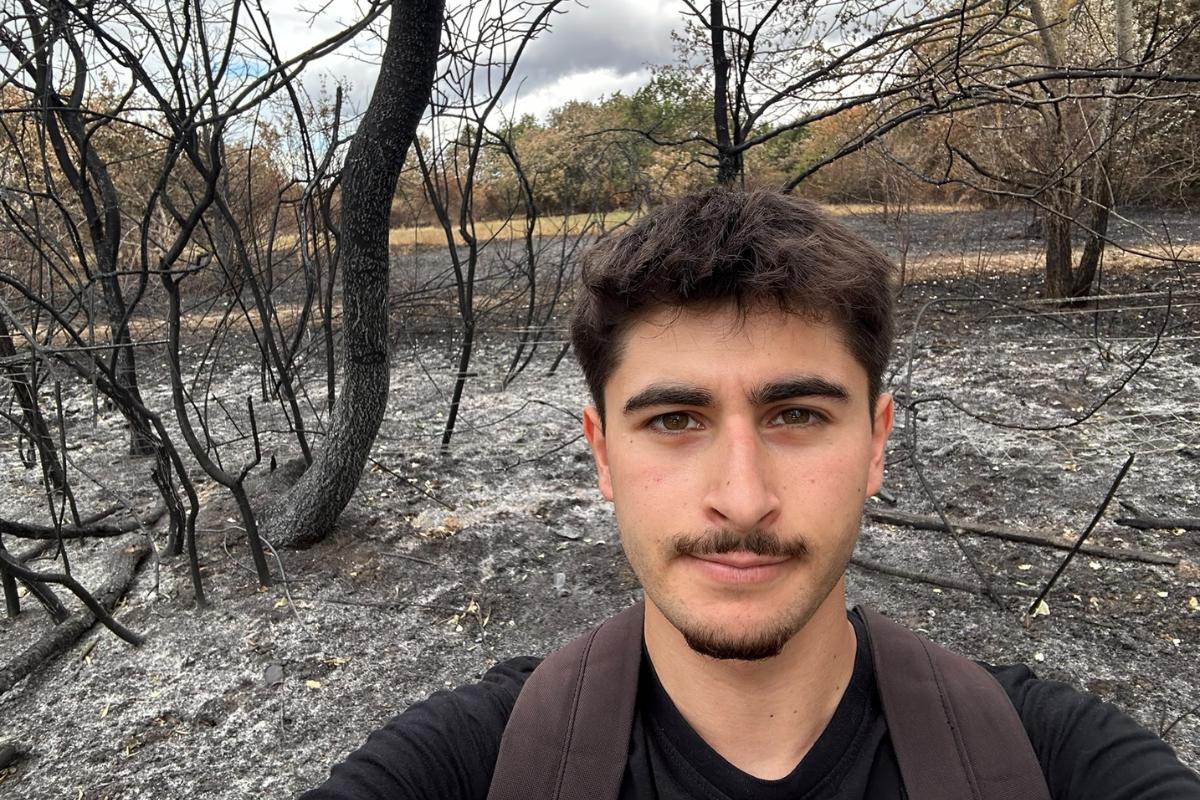
Perhaps the largest area of burnt land was located directly next to the pond.
It looked as though several lines of trees had caught alight and burnt behind wire fencing, leaving the ground covered in a layer of ash.

As I looped round to begin my walk out of the park via Squadrons Approach, the frequency of the patches of black earth increased - each as shocking to see as the last.
It was insightful to see the impact of the fires on the land but in all honesty, it was upsetting.
I truly hope the land can recover and plants and animals can flourish in the currently blackened, arid patches as they did once before.


Share