



Over the decades, the world's biggest music stars have uttered the immortal line "hello Wembley" as they gazed out at the iconic arena.
But few perhaps realised they were standing above what was once a state-of-the-art 1930s swimming pool once dubbed the "wonder pool".
Over the decades, Wembley’s Empire Pool evolved into one of the UK’s legendary music venues - but today the dry tank and its pioneering wave machinery lie directly beneath where the fans are.

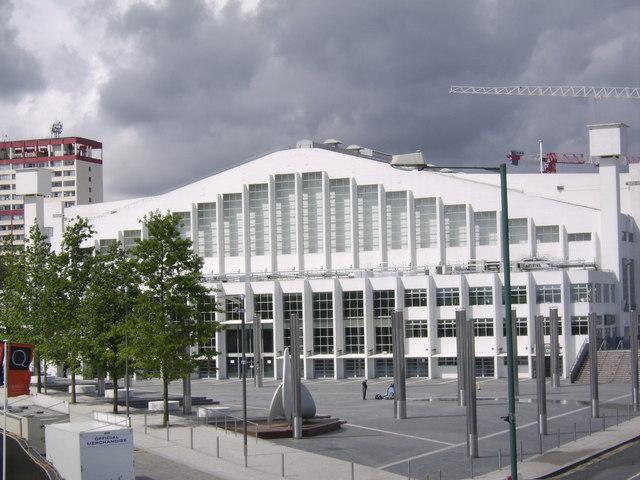
The white Art Deco building itself dates back to July 1934 when businessman Arthur Elvin wanted to extend the use of the British Empire Exhibition site beyond the nearby stadium.
The exhibition is the reason that the original Wembley Stadium was built - it was an enormous colonial trade fair held in grand pavilions in 1924 and 1925 that drew 27 million visitors, and needed a large open arena to host the opening and closing ceremonies.
A decade later, on land used by the exhibition, engineer Sir Owen Williams designed a reinforced concrete building with three massive arches to create a column-free interior, 20 windows and one end that opened up onto a sunbathing terrace and lawns.

While it was meant to be a pool for aquatic sports it was designed to be adaptable with a removable deck to become an ice rink or indoor sports arena.
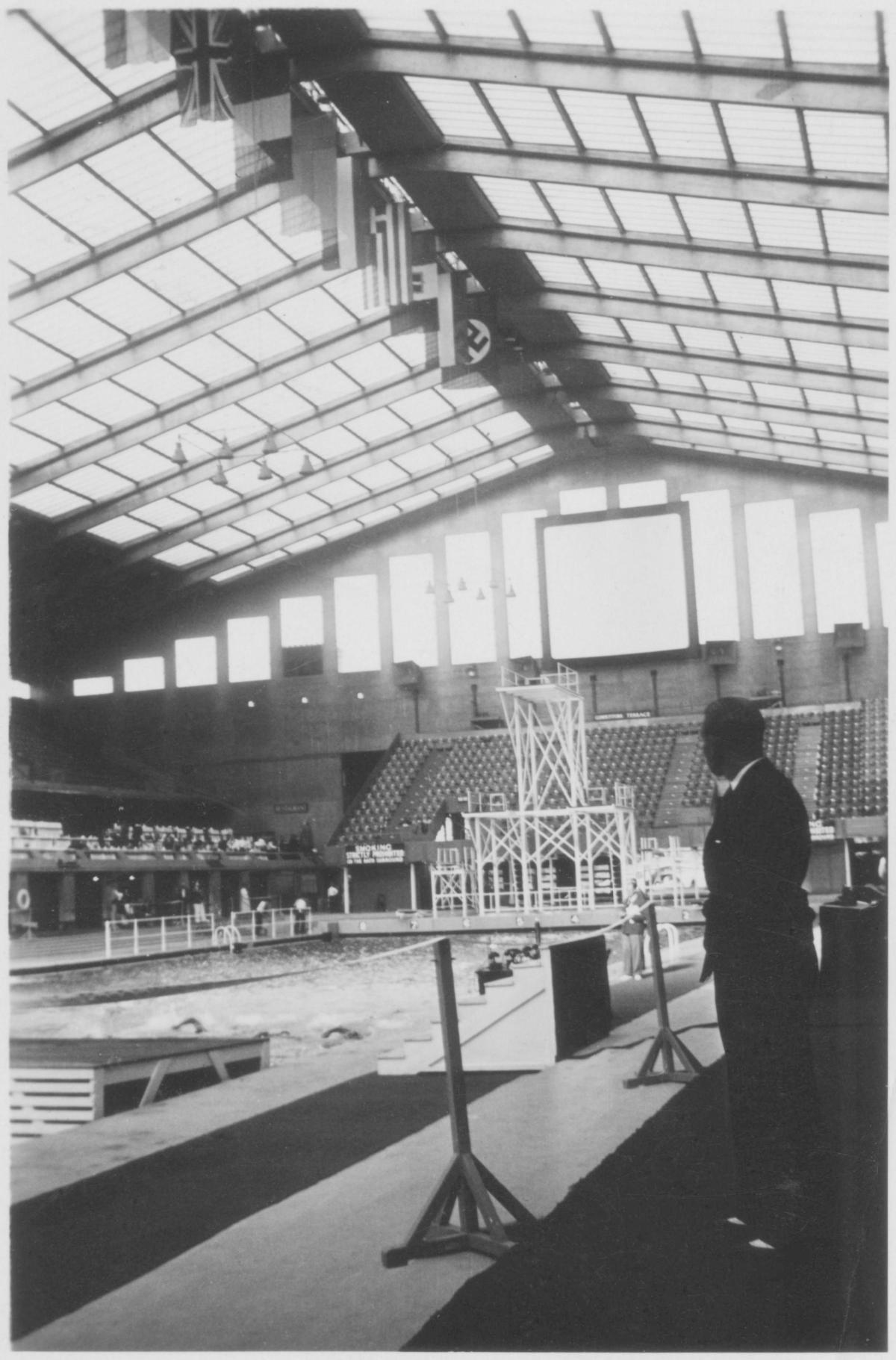
The pool’s first major international event was the 1934 British Empire Games, where it was billed as the "world’s wonder pool".
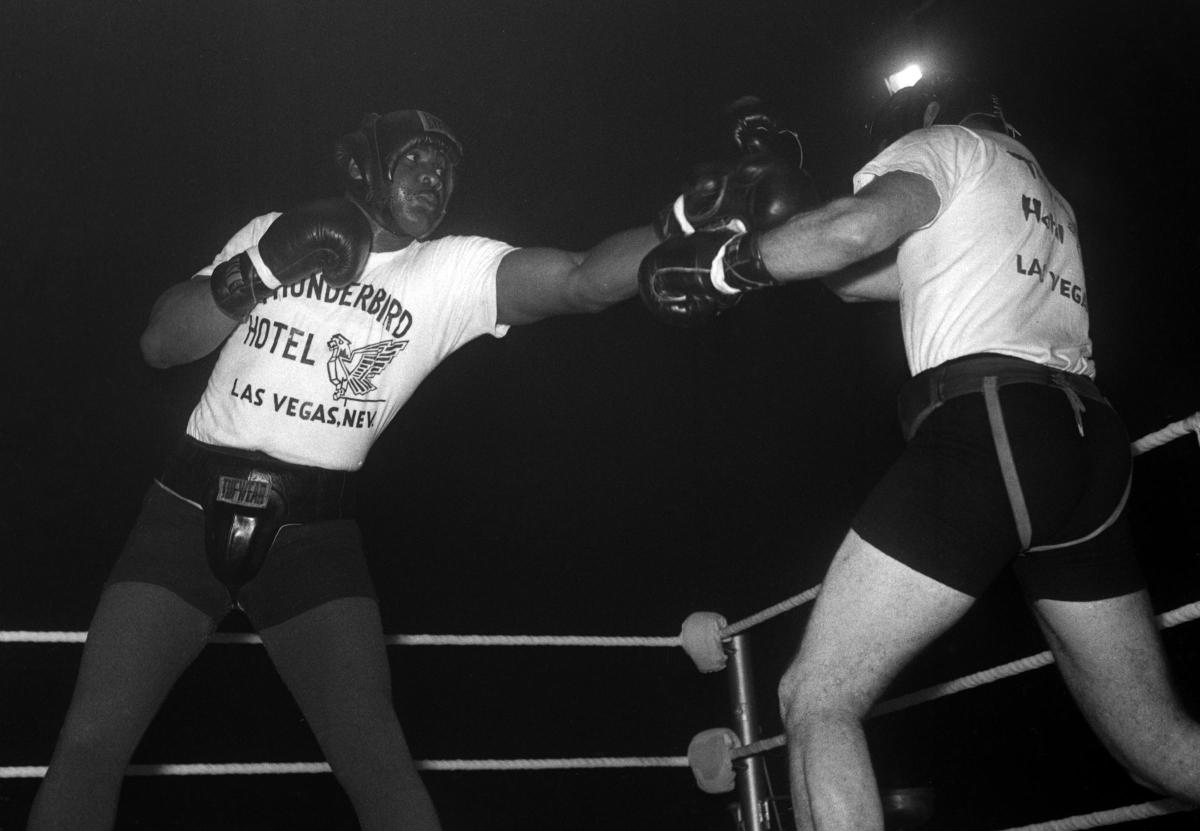
Unusually for the time it was an Olympic-sized indoor venue - 200 feet (61 m) long and 60 feet (18 m) wide -that was later used for the 1948 London Olympics, hosting both swimming and boxing events.
Up to 5,000 people a day visited the pool to enjoy a dip, a leap off the high diving boards or wait for a bell to ring and concealed pistons beneath the 16-foot deep end would create six food waves.

But by 1948, public swimming at the venue had stopped and the venue hosted numerous sports from ice hockey to tennis, cricket, basketball and badminton.
It wasn't until the 1950s that it evolved into an entertainment venue.
With the pool covered by a temporary floor it hosted ice pantomimes, New Year's Eve dances, basketball exhibitions by the Harlem Globetrotters, and the Horse of the Year Show.

1956 was the last time the pool was filled - to host a show by swimming star Esther Williams.
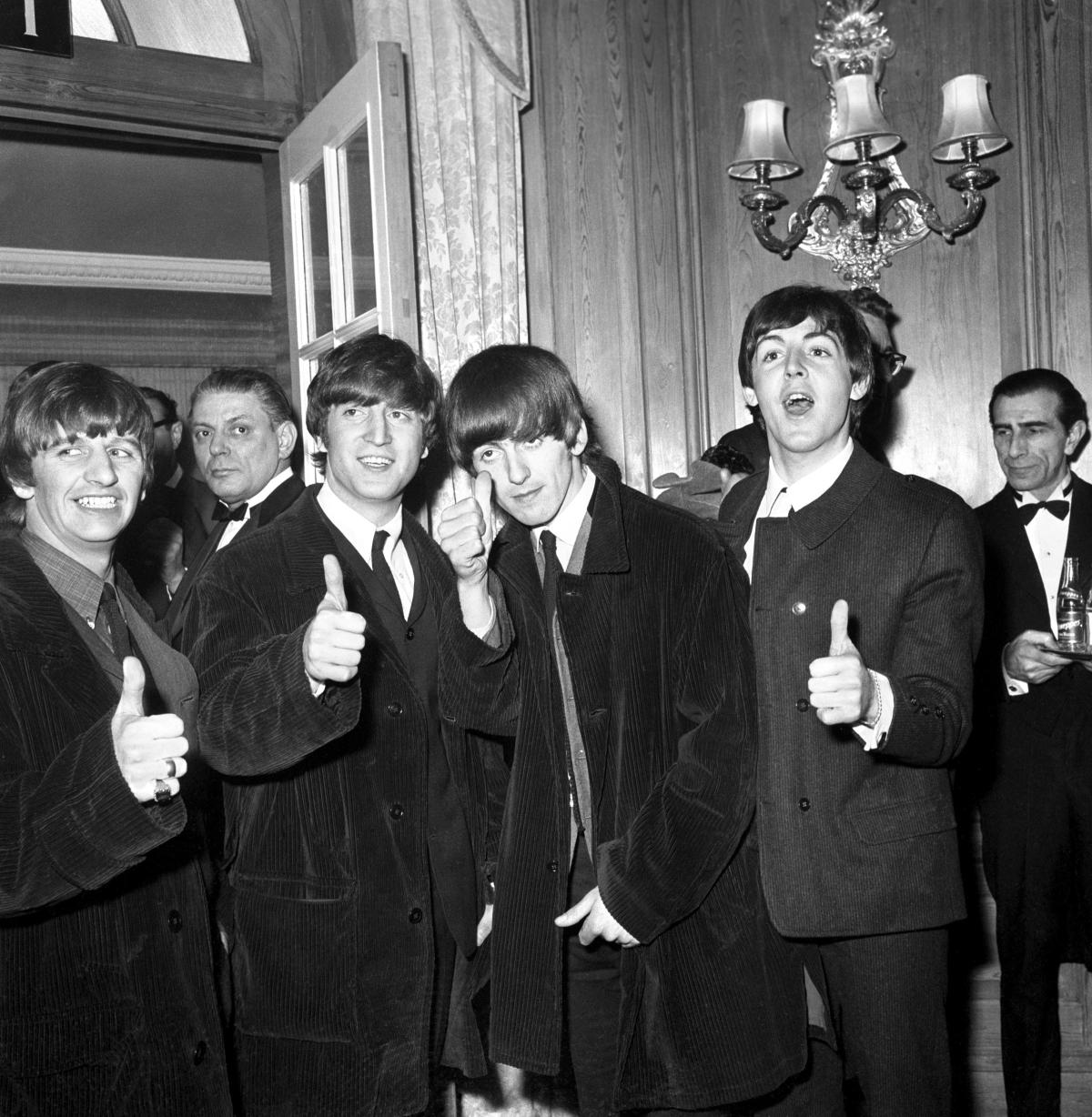
Then in the 1960s The Beatles, The Rolling Stones, and The Who were among the acts to perform there and in 1974 a permanent floor forever sealed the pool beneath concrete.
The elegant building was awarded Grade II listed status in 1976 and although for many years it was known as The Empire Pool, on February 1, 1978, it was officially renamed Wembley Arena - marking its transition to a dedicated events venue.
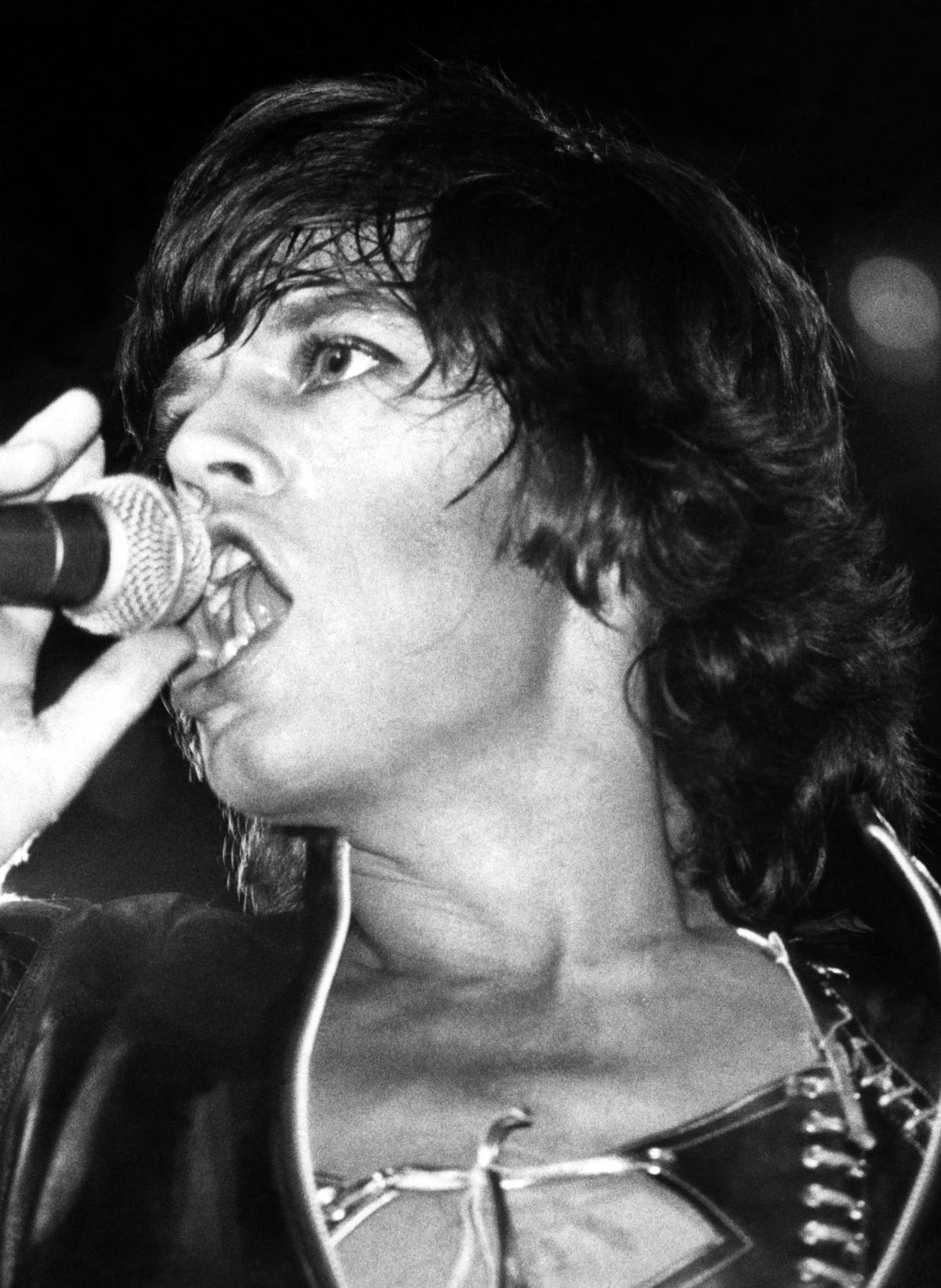
Led Zeppelin, David Bowie, Queen, ABBA and Pink Floyd were among the acts that held legendary gigs at the venue which continued to evolve through the 1980s and 2000s with significant refurbishments to improve facilities for both audiences and performers.
Despite its shift to entertainment, it has remained a sports venue for select events.
During the London 2012 Olympic Games, it hosted badminton and rhythmic gymnastics, recalling its 1948 Olympic legacy.
Today, known as OVO Arena Wembley, the venue is seen as a pioneer in multi-functional indoor events spaces and a key part of London’s cultural landscape.