


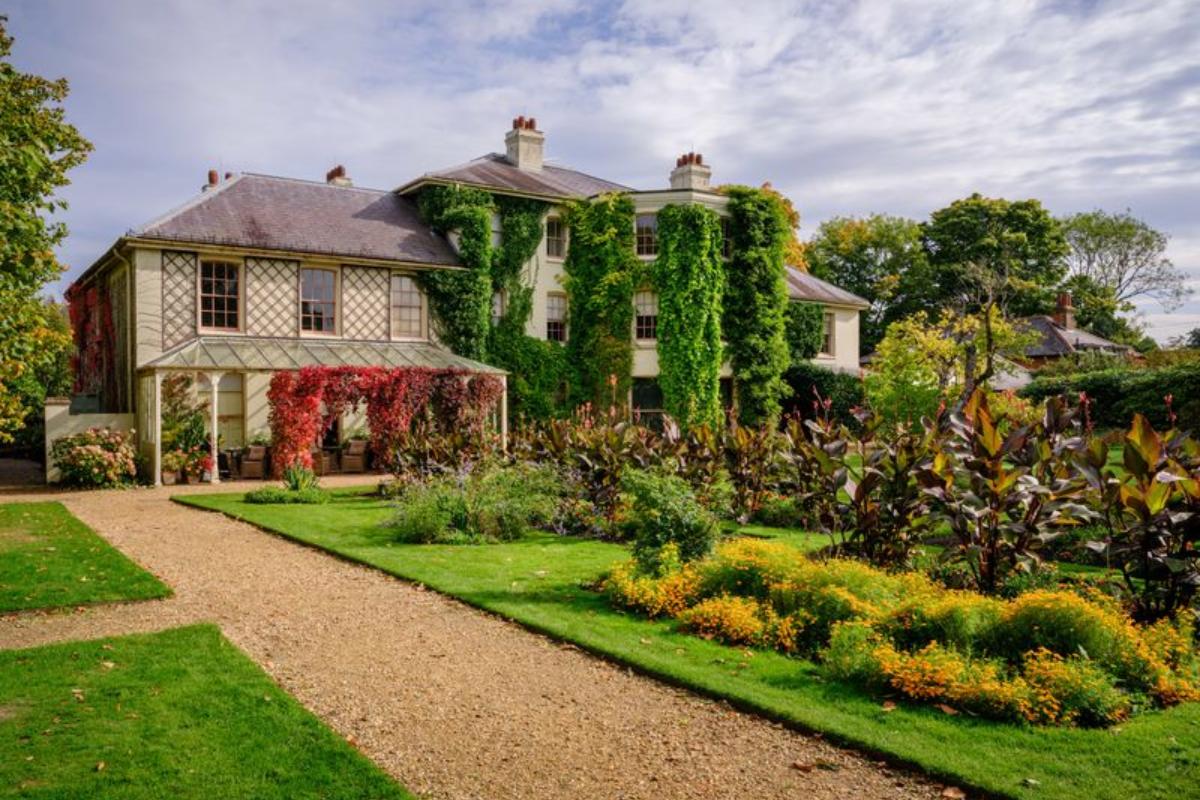

Did you know the former home of Charles Darwin - an 18th century mansion with "vibrant gardens" - is just less than an hour's drive from Romford?
Down House, tucked away on the edge of the village of Downe in Orpington, was the family home of natural scientist Charles Darwin for 40 years.
It was here where Darwin wrote one of the most influential books in science - On the Origin of Species - which established that all species of life descend from common ancestors and evolve over time through natural selection.
Originally built in the early 18th century, Down House underwent several changes before Darwin’s arrival and even more during his residency.

Darwin actually described the house as "ugly" in a letter to his sister, according to English Heritage.
However, his family agreed that it was the peaceful retreat they needed, a place "at the extreme verge of the world" with "room for expansion" and neighbours who were "neither too near nor too far".
The Darwins moved in on September 24, 1842, seeking more space for their growing family, especially as Charles's wife Emma was pregnant with their third child at the time.
Shortly after settling in, Darwin began making changes.

He hired architect Edward Cresy, who had previously worked on the property, to design a full-height bay window and later requested the lane in front of the house be lowered for privacy.
He eventually relocated the front entrance to the east side.
As the family expanded, so did the house, with a new service wing, schoolroom, extra bedrooms, and a two-storey extension.
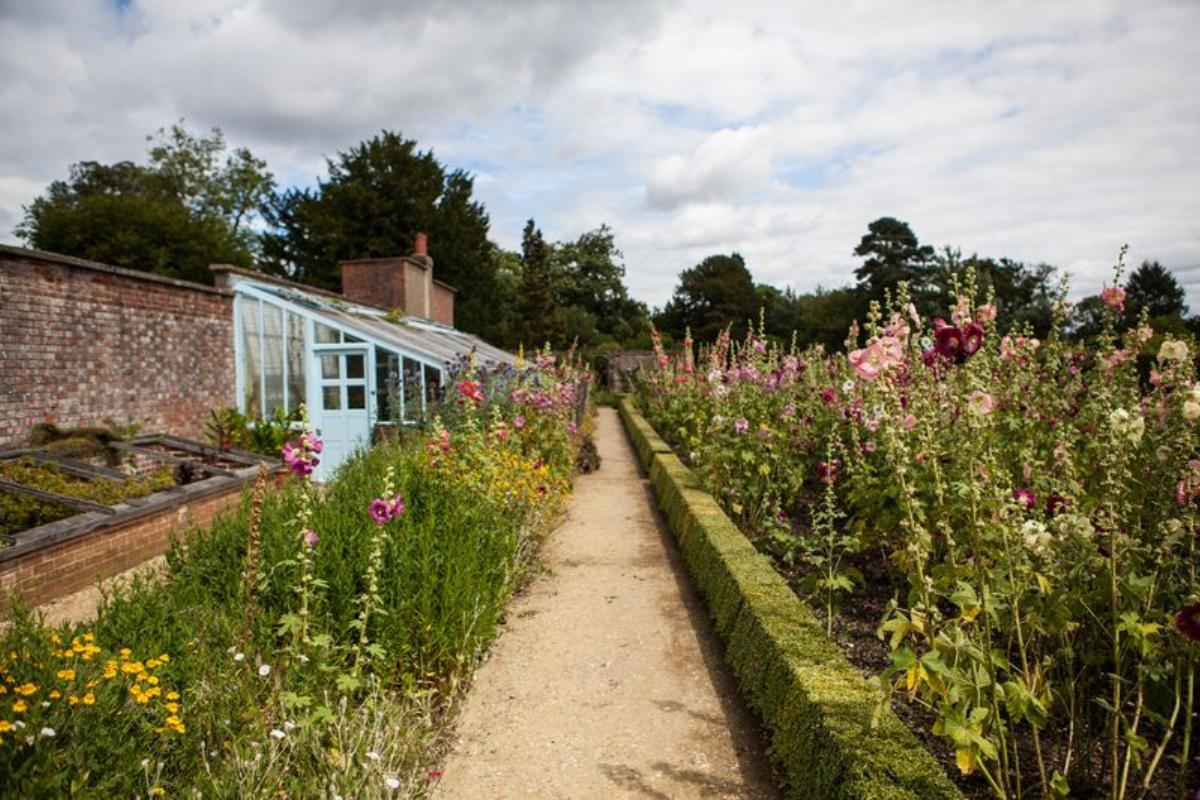
The grounds, described as "vibrant" and "beautiful" by English Heritage's head gardener Antony O'Rourke, served as more than just a place to play or relax - it was Darwin’s outdoor laboratory.

Darwin transformed a neglected section of the property into a productive kitchen garden and by the late 1850s, he established experimental beds that played a part in his discoveries.
One such discovery led to his 1877 book Different Forms of Flowers on Plants of the Same Species.
Down House remained in the family after Darwin's death in 1882.
Emma moved to Cambridge, but returned each summer until she died in 1896.
A girls’ school later occupied the home, but by the 1920s the building had fallen into "disrepair," according to English Heritage.

Sir Arthur Keith, curator of the Hunterian Museum, called for its preservation in a 1927 public address.
Surgeon Sir George Buckston Browne purchased and restored the property, drawing on the memories and guidance of Darwin's only surviving son Leonard.
Down House reopened as the Darwin Museum and following a period under the care of the Natural History Museum in the late 1980s, English Heritage took over in 1996, supported by the Welcome Trust and the Heritage Lottery Fund.
English Heritage restored the rooms to "how they would have looked in Darwin’s time" and an exhibition exploring his life and work was installed on the first floor.
Down House reopened to the public in 1998 whilst a long-term programme of work was begun to restore the gardens, which is now complete.
Today, visitors can stand in the study where Darwin wrote On the Origin of Species and explore the extensive gardens.
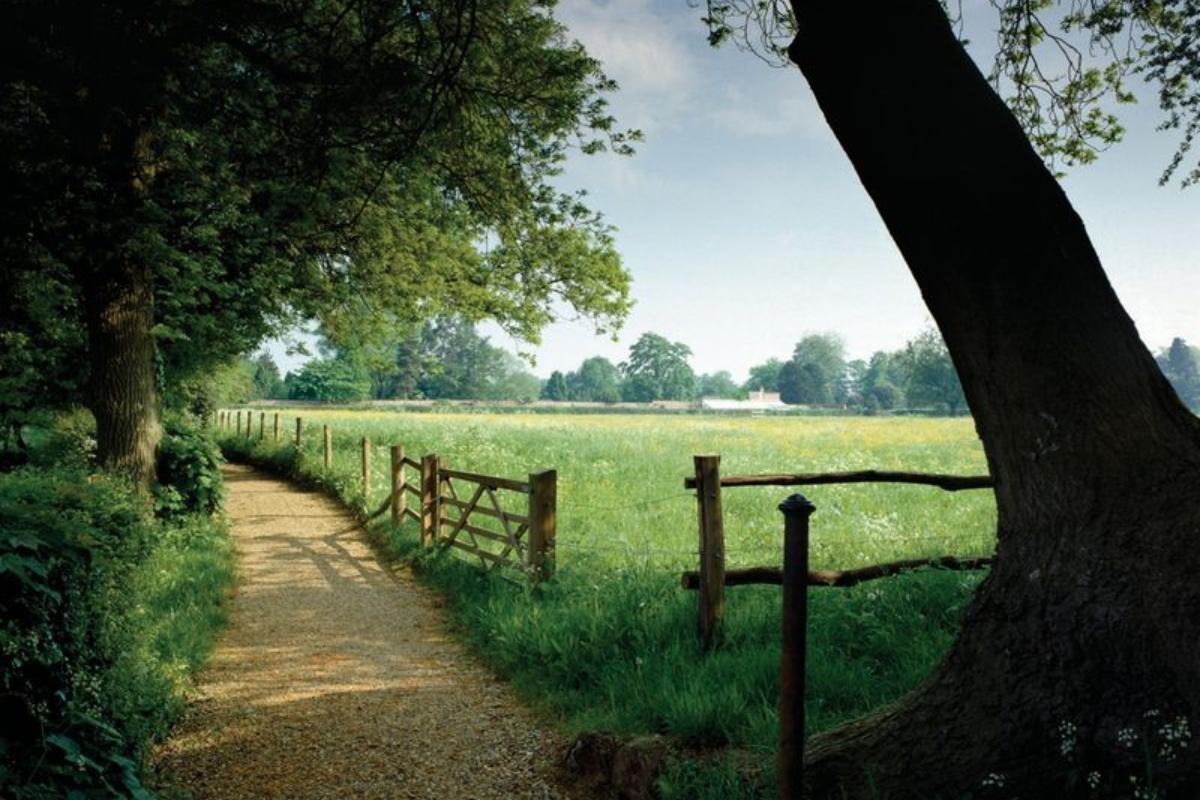
English Heritage also encourages people to make use of The Sandwalk - "the famous 'thinking path' that formed the basis of Darwin's daily walks around his estate".


Share