




A town in Havering is famed amongst geologists for being the "most southerly place in England" covered by the ice sheet during the Ice Age.
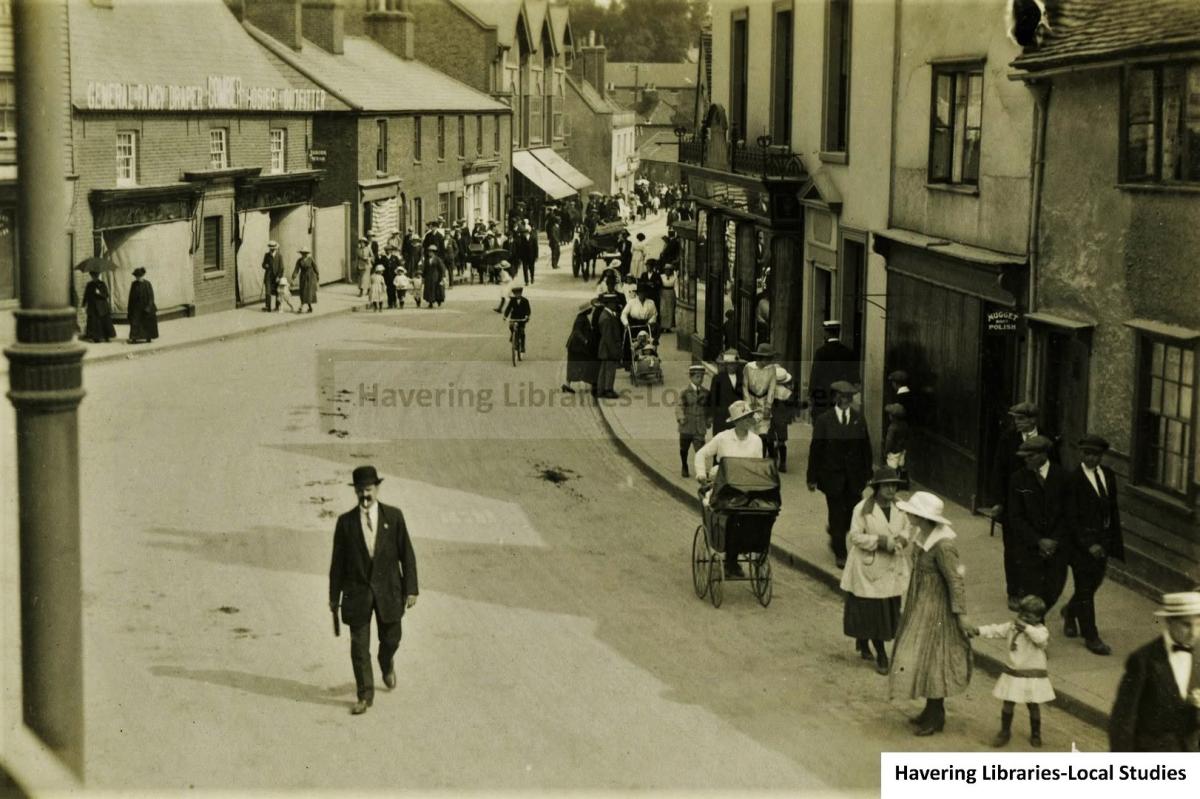
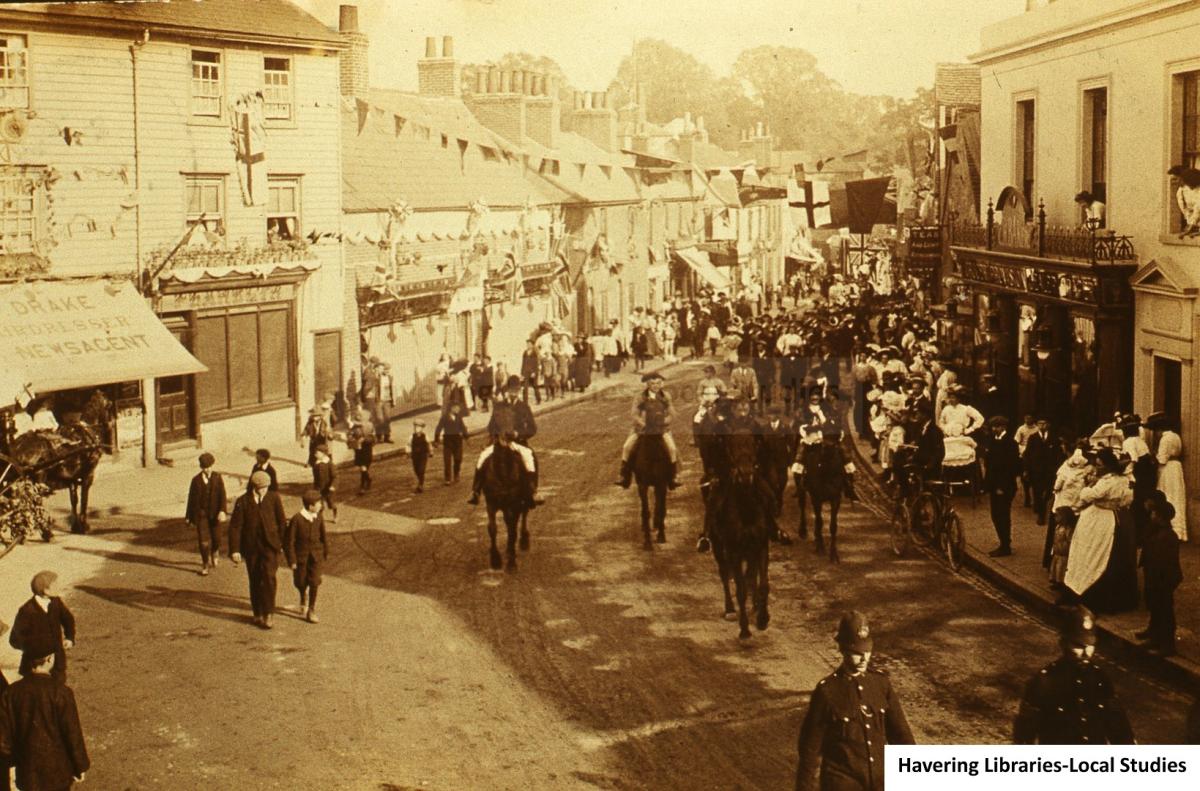
This week, the Recorder is looking back at the history of Hornchurch - a town with a rich history which grew from a village with a substantial leather industry to a "cultural centre" for the borough.
Hornchurch is not mentioned in the Domesday Book of 1086, but its name is first recorded in the 13th century in Latin as ‘Monasterium Cornutum’, meaning 'horned monastery' or 'church with the horn-like gables'.

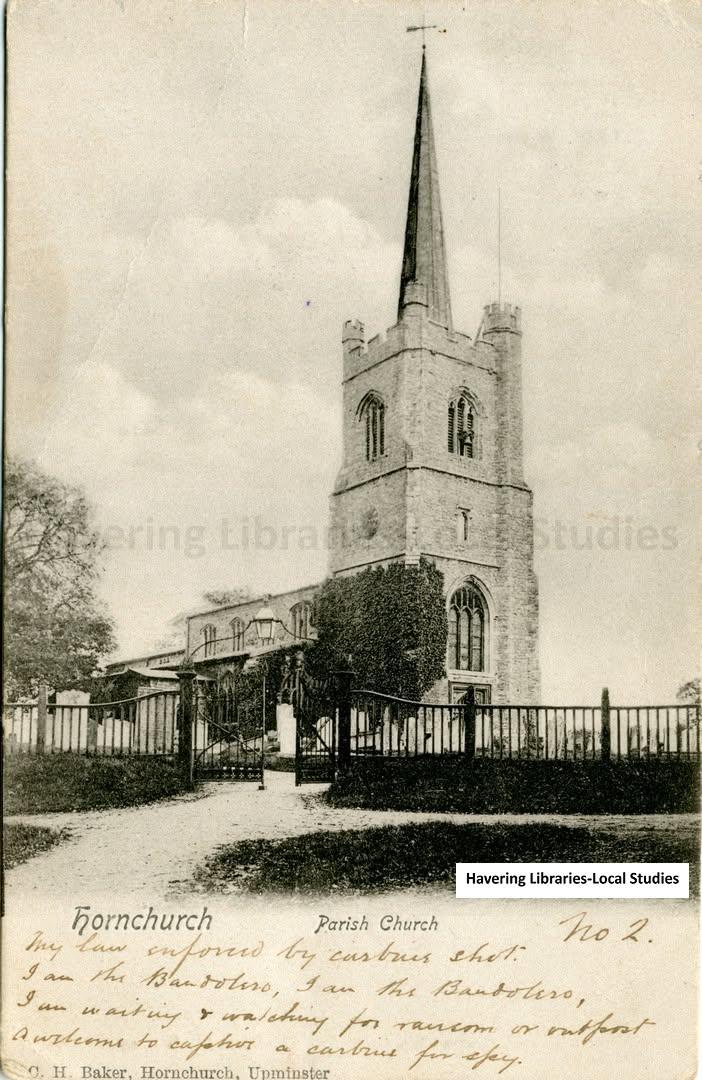
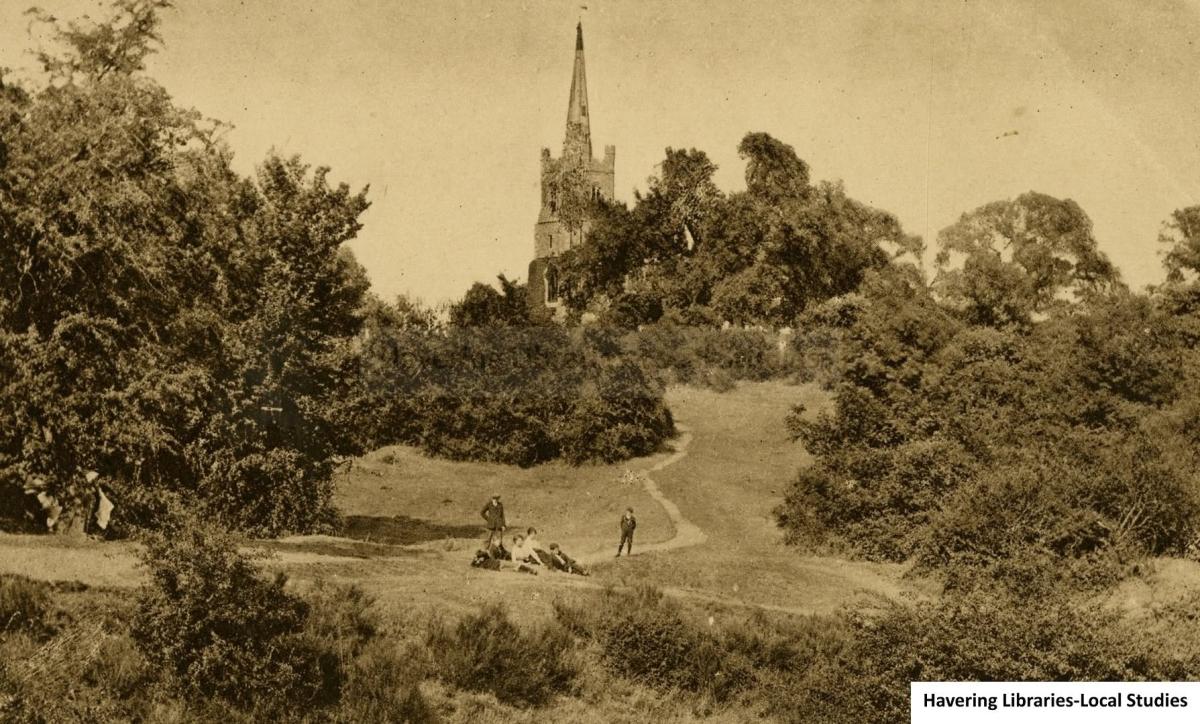
This is believed to be a reference to a predecessor to St Andrew's Church, built on the site in 1163, but it is not known exactly what features this is referring to.
But, the horn symbolism was carried over to St Andrew's, with the east end of the church crowned with a bull's head, carved in stone, which could also reflect Hornchurch's leather industry.
By the Tudor period, Hornchurch grew into a large village with hundreds of residents, at least 10 manors and a number of farms.

The leather industry that was born at around this time lasted more than six centuries and employed a large number of people - such as skinners, tanners and shoemakers - who produced products for Romford Market.
After the decline of this work in the 19th century, mixed trades supported the local economy, including the Old Hornchurch Brewery and an iron foundry producing agricultural machinery, alongside tile and drainpipe manufacture.

Arrival of the railway at this time also accelerated the growth of the area, with the first steam train rolling into Hornchurch in May 1885 on a new route from Barking to Upminster.
When a new railway line was excavated in 1892, geologists discovered glacial boulder clay - marking the "maximum southerly extent of the ice sheet during the whole of the Ice Age", according to Essex Field Club.

The place where this was found, known as The Dell, is inaccessible to the public today, forming part of the garden of the Grade II listed Hornchurch Mill Cottage and sitting behind the High Street electricity substation.
In 1926, Hornchurch became an urban district, reflecting its shift from village to town, and in 1965 it was incorporated into the London Borough of Havering.
Late 20th‑century landmarks such as Fairkytes Arts Centre and Queen’s Theatre later cemented Hornchurch’s role as a "cultural centre" for the borough, Havering Council says.


Share