




This year marks 200 years of the modern railway, and to celebrate we are looking back at vintage photos from the early days of train travel in Havering.
In 1825, the first passenger journey was made on a steam-powered train - laying the foundations for the railway as we know it today.
Just under 15 years later, the first train station opened in Havering, and old photos of the stations that followed track the history of rail travel in the borough.
Want to catch-up with all of the latest transport news in east London? Subscribe to our free weekly newsletter here.
Havering train stations captured in vintage photos
Romford Railway Station - circa 1895-1900

Romford’s first railway station opened on June 20, 1839, initially located in Dog Leg Lane (now Waterloo Road) before moving to its current site in 1844.
It started as a wooden building, with its main entrance in Station Approach on the north side of the railway line, in what is now called The Battis, according to Havering Libraries.
READ MORE: Weekend train disruption to affect Greater Anglia and Elizabeth line
By 1893, a second station on the London Tilbury and Southend Railway had opened, with facilities like a covered walkway to an additional entrance in South Street - with these two stations merged in 1934.
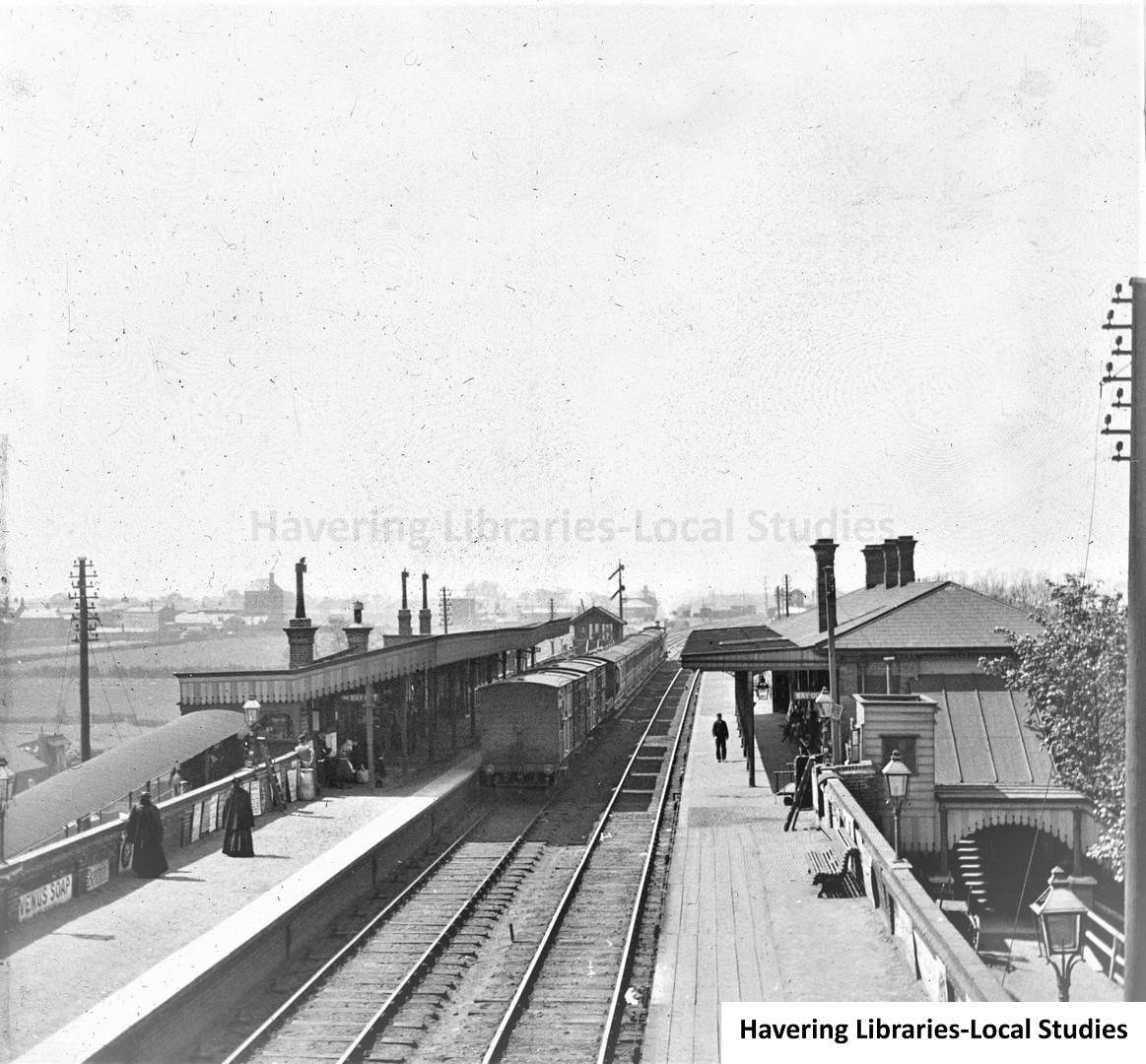
Hornchurch Railway Station - c.1906

Charles Thomas Perfect’s 1917 book “Ye Olde History of Hornchurch” describes the arrival of the railway in Hornchurch, starting with the Barking to Pitsea extension of the London, Tilbury and Southend Railway.
Hornchurch Station opened on May 1, 1885, and was upgraded in 1932 with new platforms and a ticket office when electrified trains were introduced.
In 1933, the station became part of the District Line under London Transport.
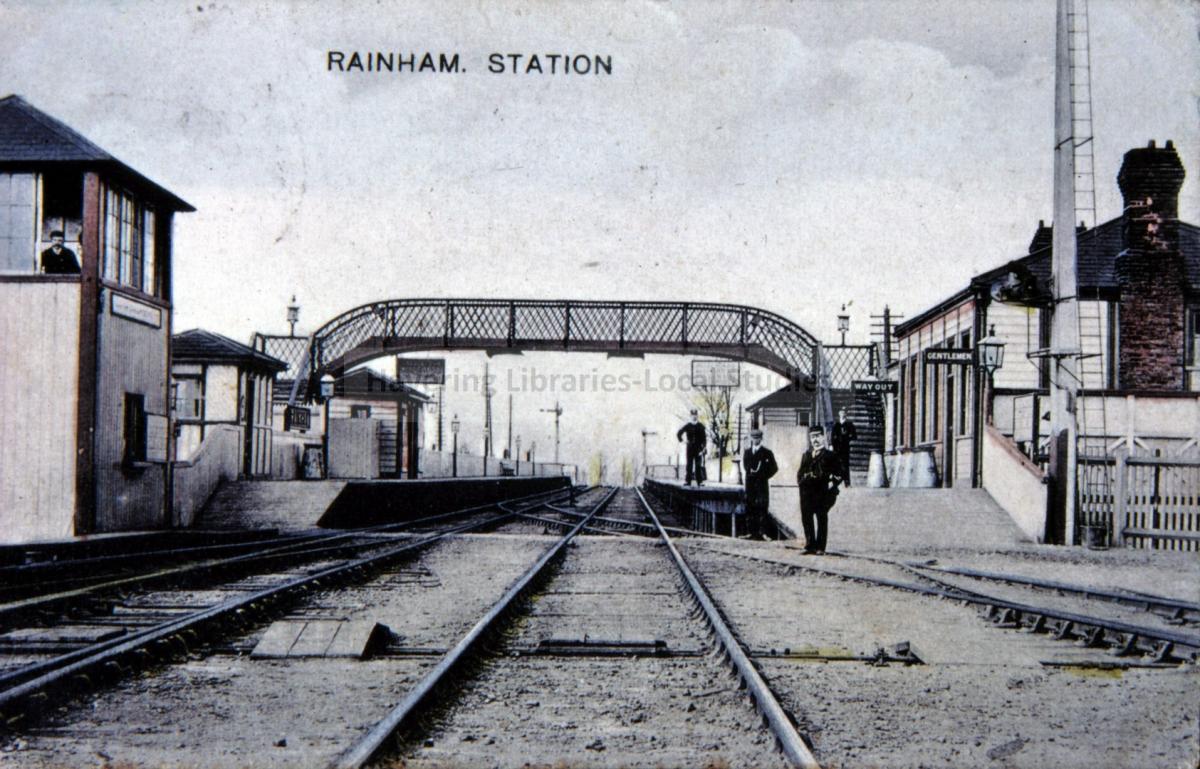
Rainham Station c.1905

In 1851, plans were approved to extend the railway to Tilbury, and the first train passed through Rainham on April 10, 1854.
Regular services began soon after, with tickets costing £10 10s a year.
Rainham Station was "seriously damaged" by a fire in 1891, according to Havering Libraries, which meant that the "down" side of the platform had to be replaced.
Harold Wood Railway Station - 1965

In 1866, 300 acres of Gubbins Farm in Harold Wood were bought by developers who formed The Harold Wood Estate Company to create a suburban villa town.
They arranged for a railway station to be built on the London-Colchester line, and Harold Wood station opened on February 1, 1868, with 12 daily trains stopping there.
READ MORE: Havering train stations ranked by most to least used in 2024
Over the years, the station expanded with new facilities, including the new station entrance and booking hall seen in this photo, which was built in 1934.
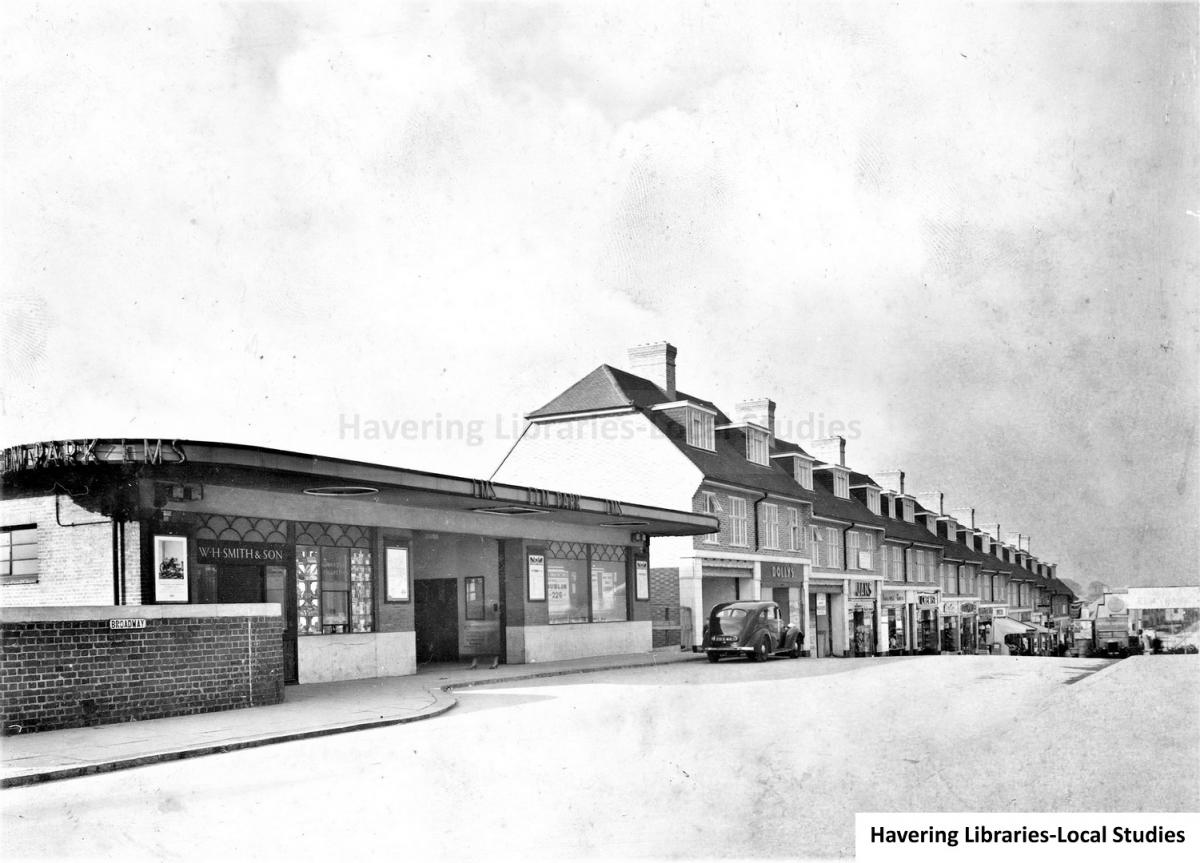
Elm Park Station entrance - 1937

Elm Park station opened on May 13, 1935, alongside the new Elm Park Garden City.
It was part of the District Line extension from Barking to Upminster and helped attract commuters with easy travel to London and Southend.
Known for its 1930s design and unique platform canopy, the station grew quickly in popularity and became part of London Underground in 1969.


Share